Habitat in our our backyards
A yard doesn't have to be big and wild to be important natural habitat.
What we can do at home
Shade beside a creek, leaf litter under shrubs, a patch of native plants and a dark corner at night can each help another life move, feed or shelter close to home.
The 2026 Bowen Island Biodiversity Plan found that 42 per cent of the island’s highest-value conservation areas are on private land. This is why many ordinary properties, cared for thoughtfully and connected with their neighbours, are important ecological assets and part of Bowen’s natural environment.
So, what can we do at home? A good place to start is by noticing the life our property already supports.
What Is already working
Begin with a slow look through the seasons. Where does water collect after a winter rain? Which shrubs hold birds or insects? Is there an old log staying damp into summer, or a route animals use between two wooded areas? Protecting something that already works is often more useful than clearing it away and trying to rebuild habitat later.
If you are planning tree removal, drainage work, shoreline work or a change near a stream or wetland, you may need a permit and it’s best to seek appropriate advice first. A feature that looks small on one lot may be part of a larger water route or habitat connection.
Plants that suit the place
Choose plants for the light, soil, moisture, wind, salt exposure and deer pressure you actually have. Locally appropriate native plants can provide food and shelter while needing less summer water once established. On suitable sites, Bowen-area choices may include vine maple, oceanspray, tall Oregon-grape and tufted hairgrass. A local native-plant guide or knowledgeable nursery can help match the species and source to the site.
Keep existing native vegetation when you can, and add layers where habitat is missing: taller plants, shrubs, ground cover and flowers across more than one season. Do not remove plants from the wild. A plant labelled “native to BC” is not automatically native to Bowen or suited to every Bowen garden, and a cultivar is not the same as locally sourced native material.
Habitat in leaves, logs and old wood
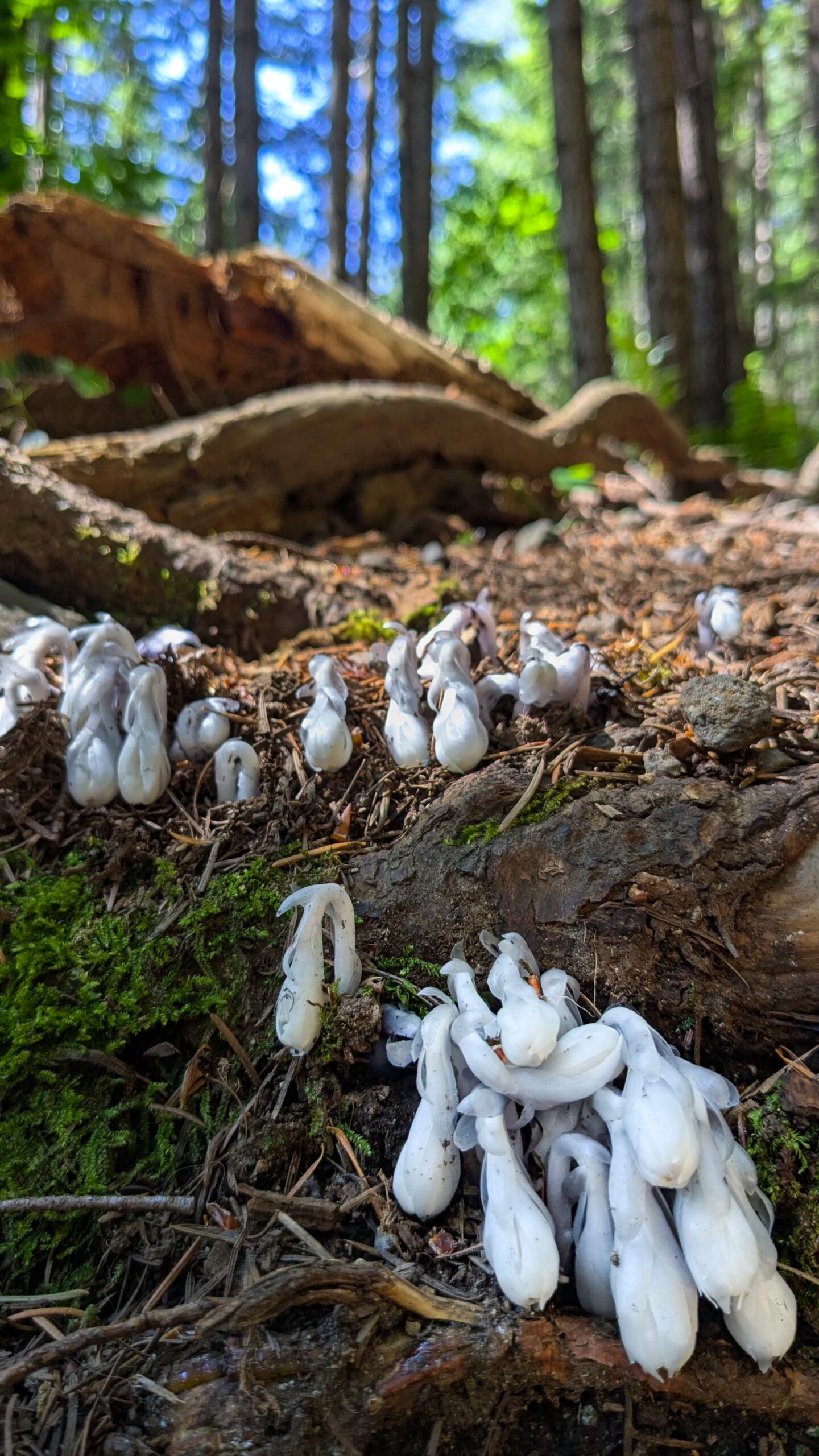
Leaves, small branches and dead wood are part of a living floor. In a safe place, a log can hold moisture and shelter insects, fungi and small animals. Leaf litter protects soil and gives overwintering insects cover. A standing dead tree can be valuable wildlife habitat when a qualified assessment confirms it is not a hazard.
Brush and rock piles can add cover, but place them away from buildings where wildfire guidance or access requires a clear zone. Habitat care and FireSmart work need to be planned together rather than treated as competing absolutes.
Where rain meets the ground
Healthy soil, roots and permeable surfaces hold rain where it falls. Direct roof water toward a safe vegetated area, rain garden or storage system only where slope, drainage, septic systems and neighbouring properties have been considered. Avoid sending concentrated runoff toward a creek bank, road or downhill lot.
Keep soil covered and limit compaction. Near streams, wetlands and shorelines, retain vegetation and avoid fertilizers, pesticides and herbicides that can move with rain. Protect existing seasonal pools and wet corners; do not drain, deepen or stock them with fish without ecological and regulatory advice.
A darker, quieter night
Use outdoor light only where and when it is needed. Aim fixtures downward, choose warm low-intensity light and use a timer or motion control. Closing curtains and treating reflective windows can also reduce risks to birds. Keep cats indoors or in a secure outdoor enclosure, especially around dawn and dusk when birds are active.
Give nesting wildlife a quieter season. Before pruning or clearing vegetation in spring and summer, check for active nests and current federal guidance. If you find a nest, den or roost, give it room and avoid posting a precise location.
When invasive plants appear
Bowen Island Municipality lists Scotch broom, English holly, yellow flag iris, knotweeds, gorse, spurge-laurel and several other plants of concern. Correct identification matters because control and disposal differ. Small broom can be pulled when soil is moist, while larger plants are commonly cut in bloom. Knotweed fragments can start new plants, and giant hogweed sap can cause severe burns, so sightings should be reported and current handling guidance followed.
Work from the least invaded edge, avoid spreading seeds or roots on tools and soil, and replace removed cover with suitable plants. Do not put invasive plant material in home compost. Check municipal disposal advice before moving it.
Room for birds, pollinators & amphibians
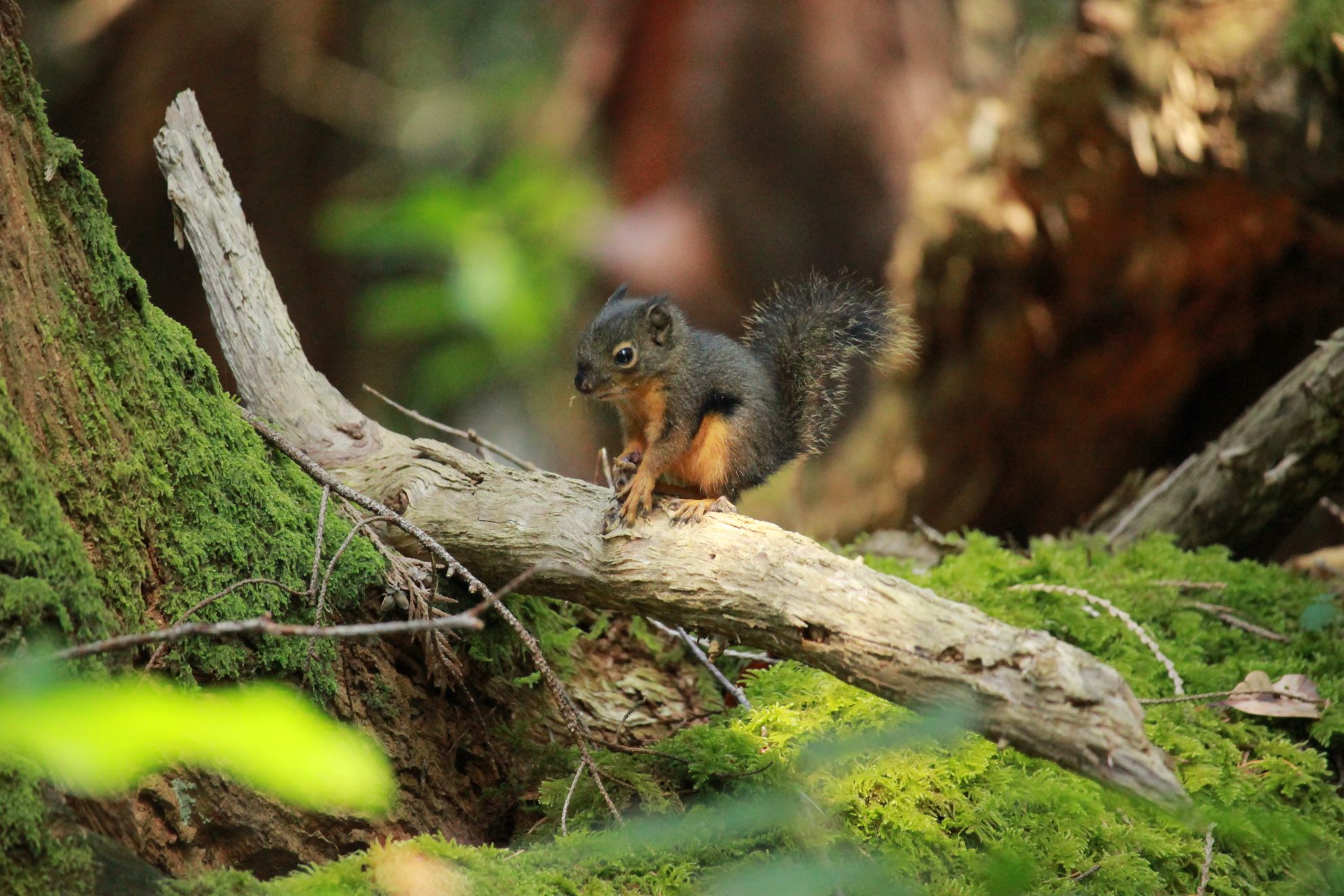
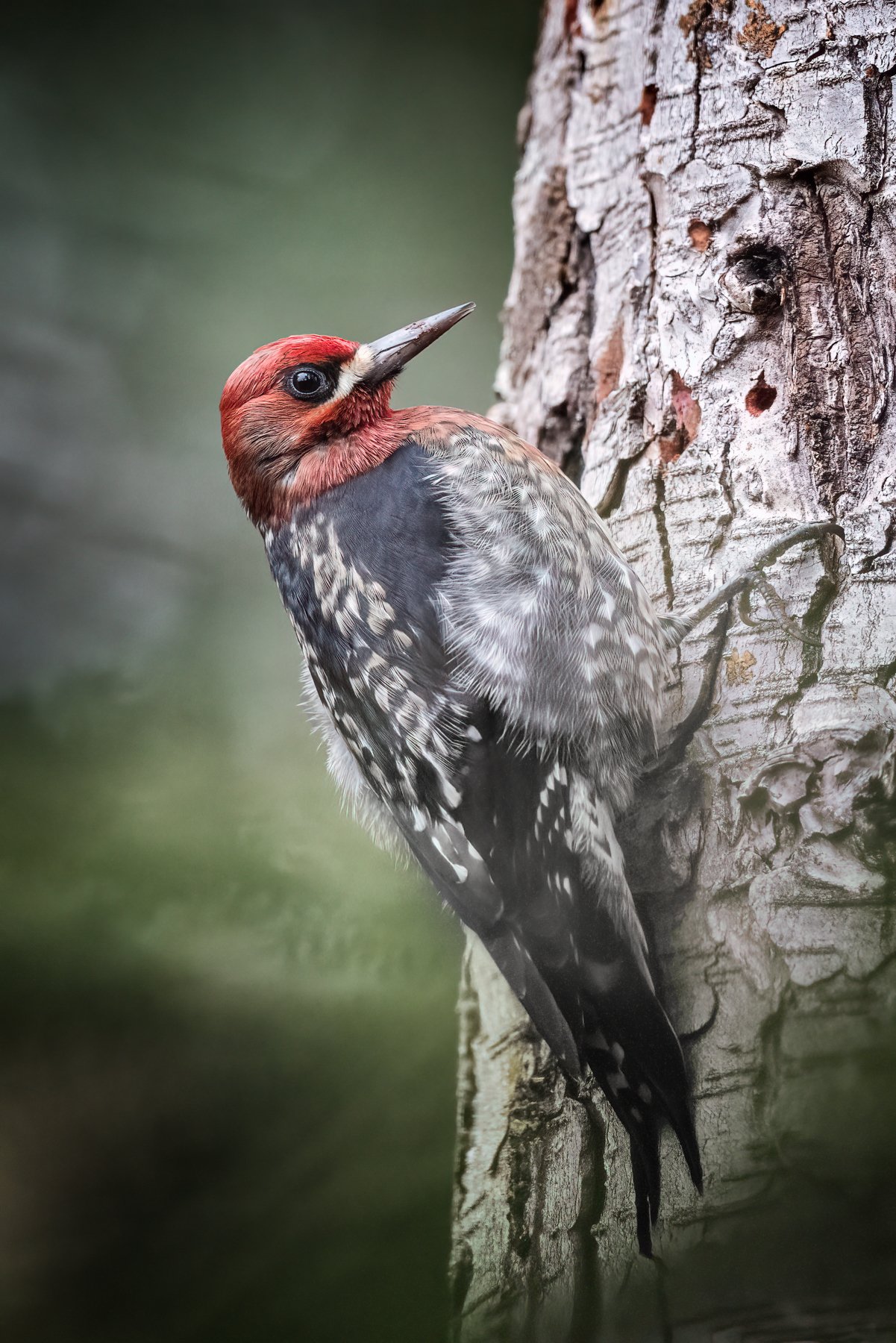
Natural habitat usually does more year-round than a single feeder or nest box. Flowers across the season, insects, berries, leaf litter, clean water and dense cover support many species without concentrating them in one spot. If you use feeders, bird baths or nest boxes, place and clean them according to current wildlife-health guidance and take feeders down if disease is reported.
Around wet areas, leave vegetation and shallow edges intact, keep pets from disturbing the water and avoid moving eggs, tadpoles or adult amphibians. A small change to drainage can affect a breeding place beyond the property line, so ask for advice before altering it.
Where to begin
You might pick one action that fits your property and capacity: keep an existing habitat feature, reduce one source of night light, learn one invasive plant, or watch where rain travels during the next storm. Then notice what changes and adjust from there.
Read the Bowen Island Biodiversity Plan
Find Bowen invasive-plant guidance
Explore Islands Trust Conservancy land-stewardship resources