How we care for conservancy lands
Protection is the beginning
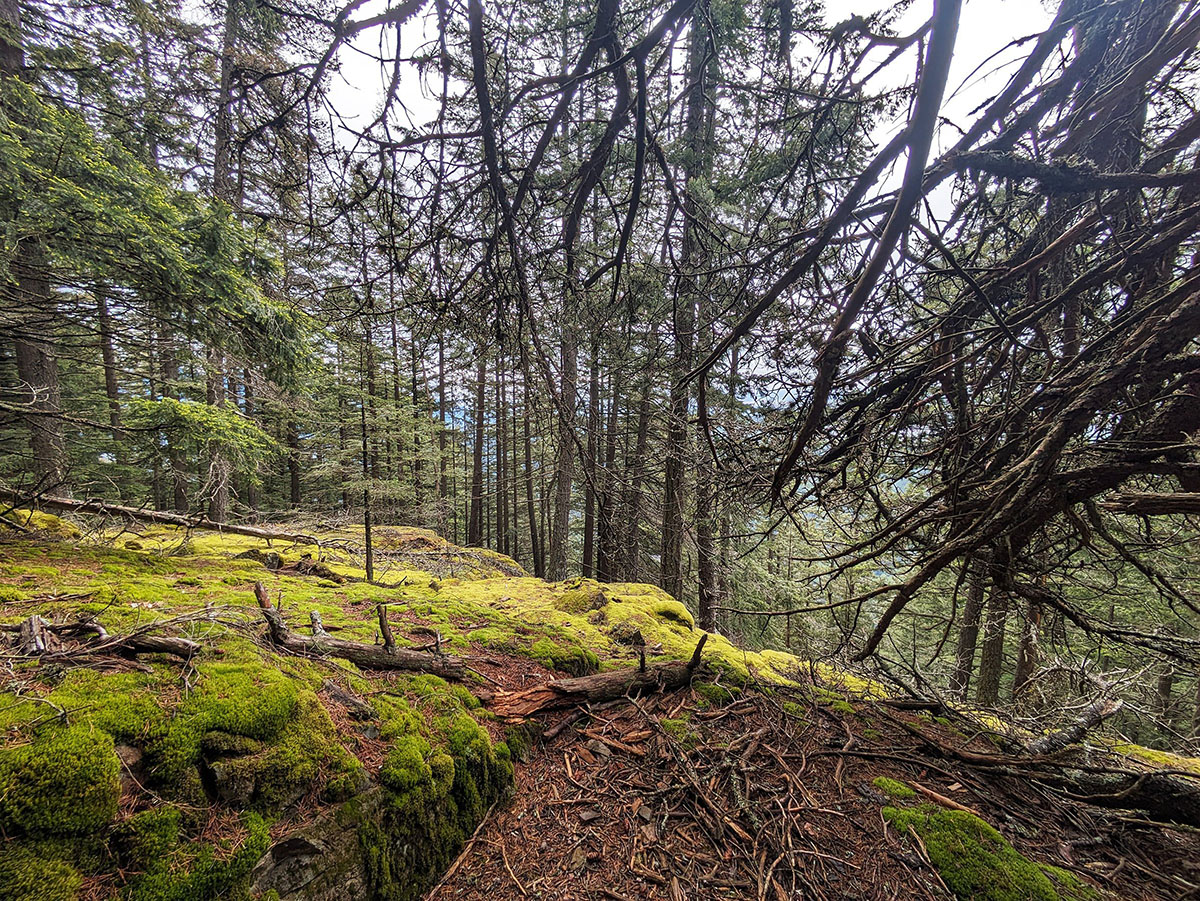
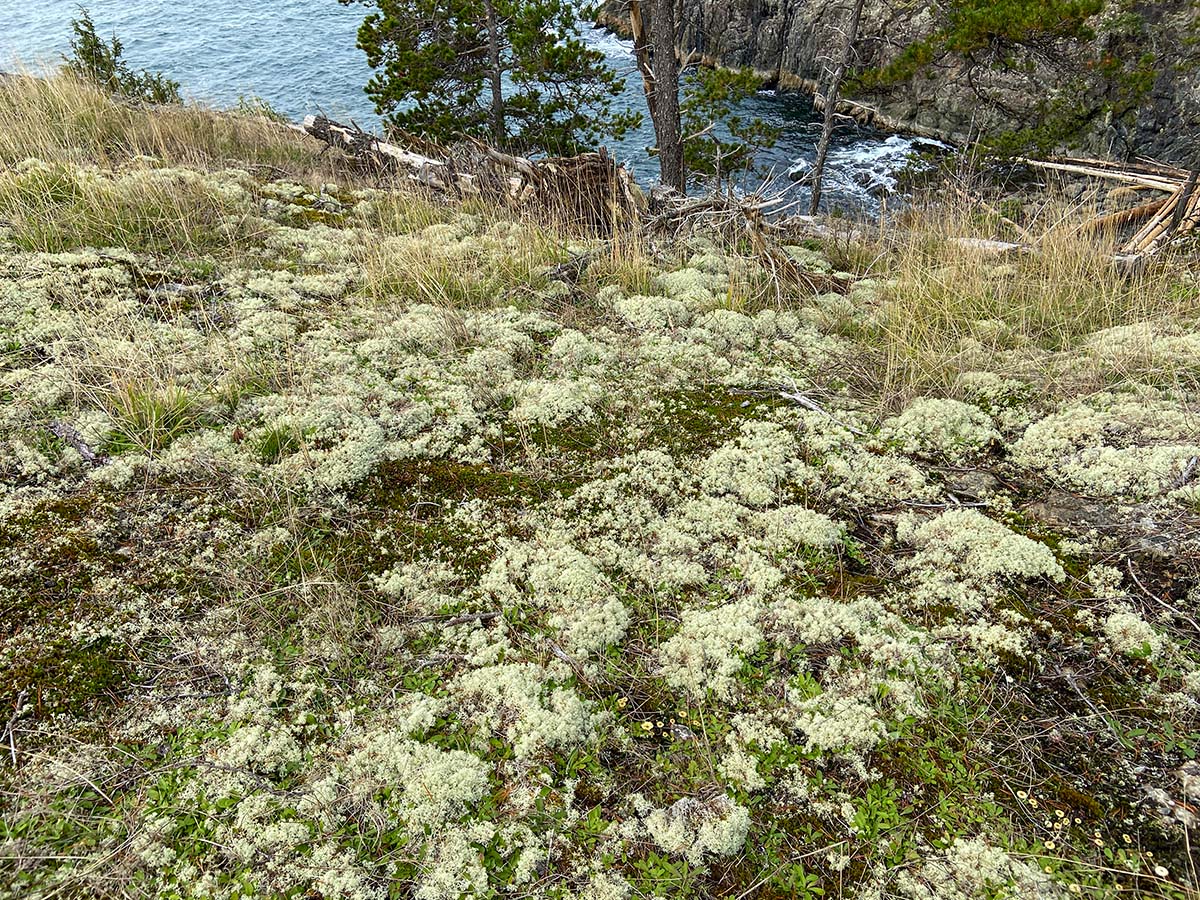
Inspecting a bridge after a winter storm, noticing a new patch of an invasive plant, or deciding whether a shortcut is wearing into wet ground are all part of stewardship. At Fairy Fen, water and peat shape what the land can bear. At Singing Woods, the wetland-stream corridor and recovering forest guide decisions. At the Wild Coast Nature Refuge and the Cape lands, coastal bluffs, shorelines, forest and previously disturbed areas each need a different response.
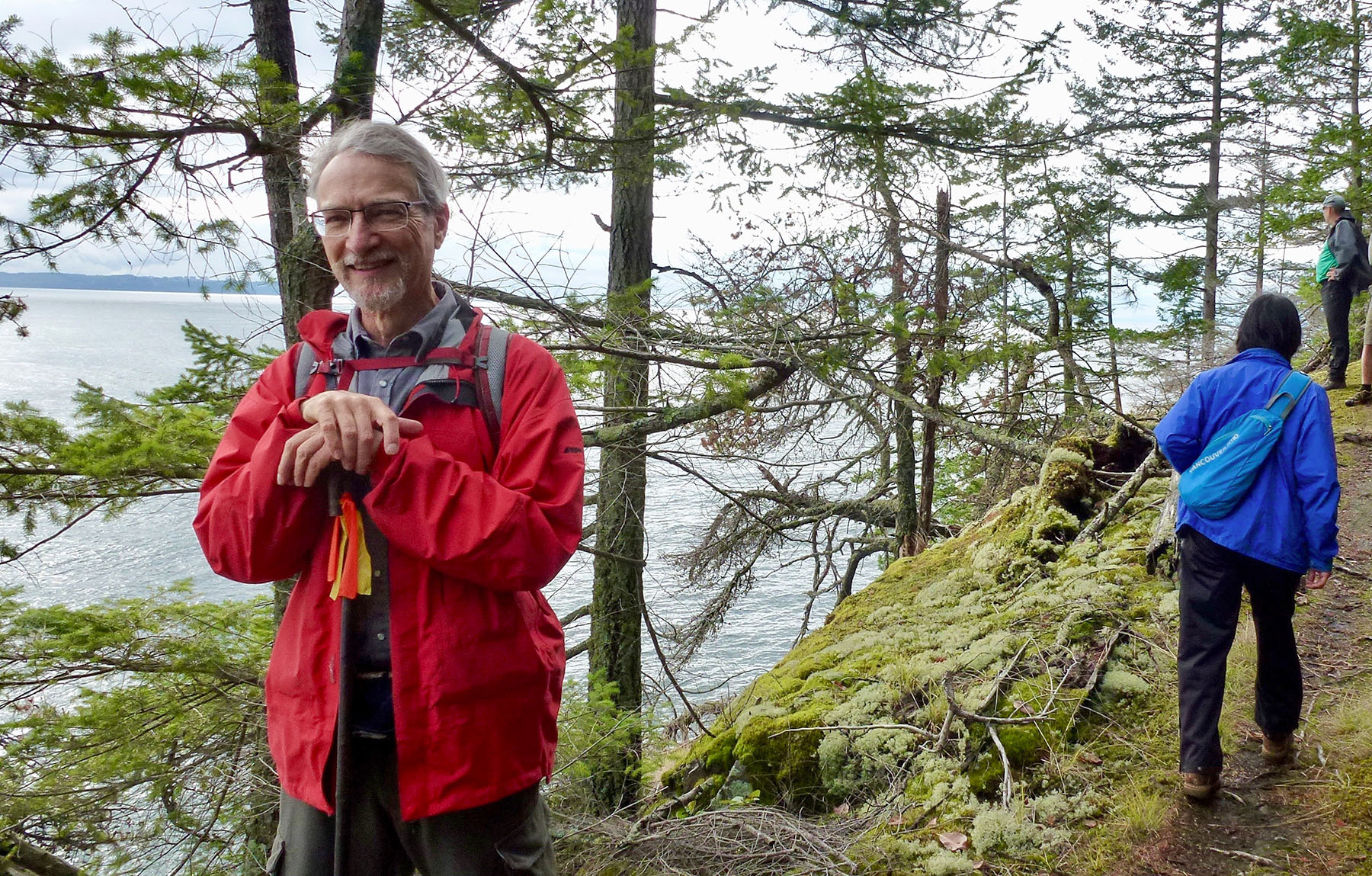
Left: biologist Alan Whitehead with a group checking ecosystem health in the Cape Lands.
Understanding each place
Ecological assessments and baseline inventories help us understand the land before acting. They record habitats, species observations, water features, past disturbance and existing access. Management plans then set objectives and practical direction, while new observations help us adjust the work without losing sight of why the land was protected.
A volunteer may note erosion on a trail, a fallen tree near a bridge, off-trail use or a change in a wet area. Biologists and research partners may carry out more specialized surveys. Repeated observations help distinguish a one-time event from a pattern and show where a closer assessment is needed.

Trails protect habitat
A trail keeps most footsteps on durable ground. Route, drainage and width matter: a bridge can protect wet soil, while closing an informal path can give vegetation room to return.
At the Wild Coast Nature Refuge, designated routes and a sanctuary area closed to public access help concentrate visitor use while leaving more sensitive habitat undisturbed. Visit Gently and the place page explain what visitors need to know before setting out.
Many hands, light work
The Conservancy coordinates stewardship on the lands it owns and provides local management at Fairy Fen and Singing Woods under approved Islands Trust Conservancy plans. Municipal and provincial bodies may also be involved where trails, roads or water cross boundaries.
Volunteers contribute observations, work-party time and local knowledge. Ecological surveys, hydrology, hazardous-tree work and technical restoration require appropriate expertise and approvals. The Conservancy brings those contributions into a coherent plan for the land.
A volunteer may note erosion on a trail, a fallen tree near a bridge, off-trail use or a change in a wet area. Biologists and research partners may carry out more specialized surveys. Repeated observations help distinguish a one-time event from a pattern and show where a closer assessment is needed.