Bowen Island is full of life. Help us keep it that way.

We protect important lands and waters, advance knowledge about the island’s biodiversity and help people take part in looking after the nature around us.

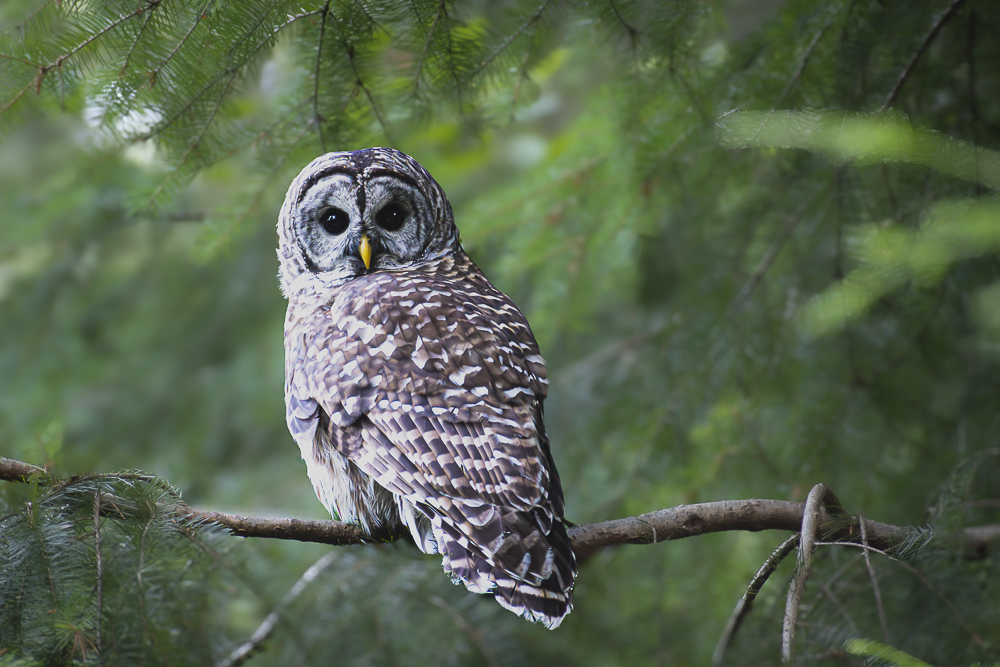
Barred Owl © photographer

An island shaped by nature.

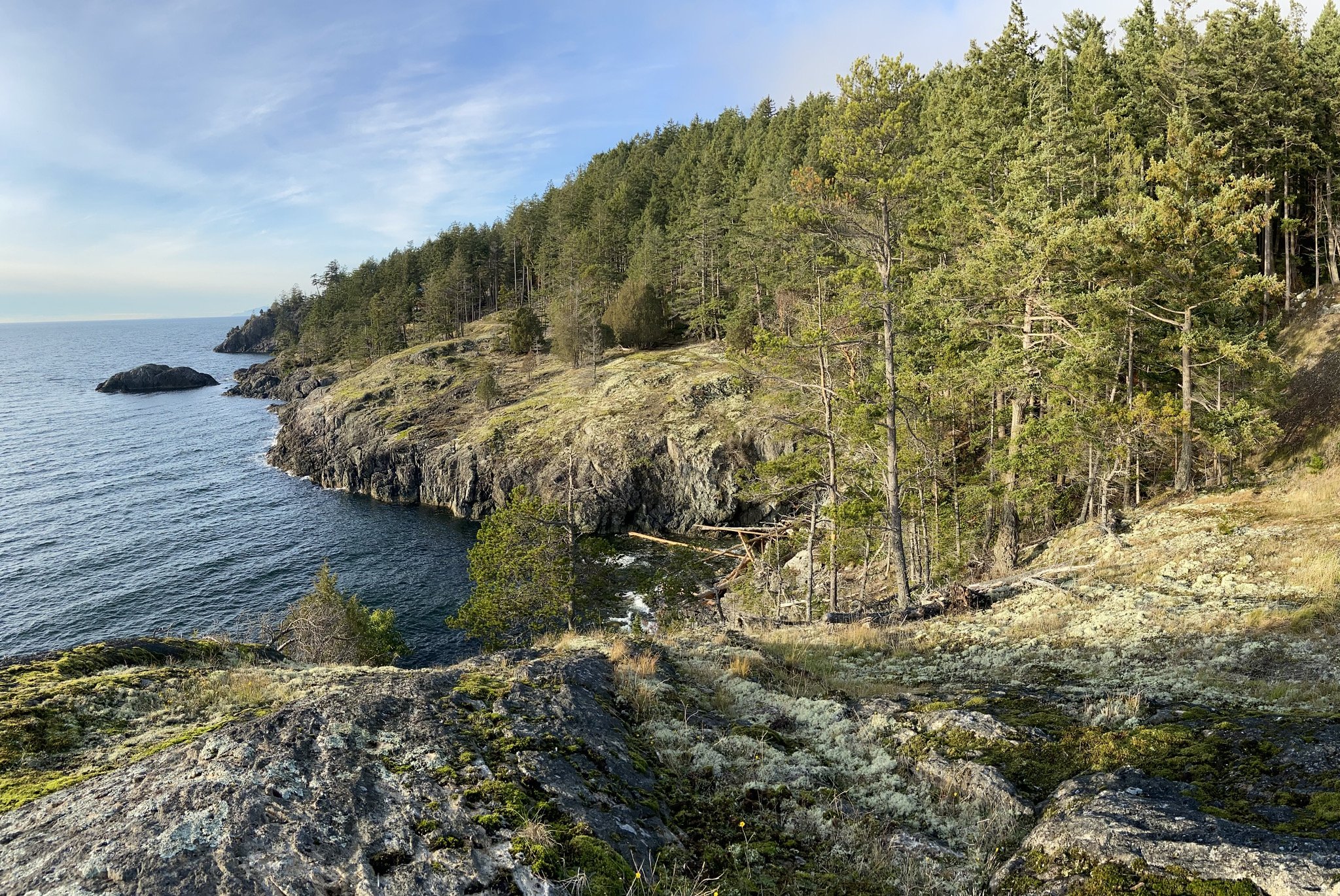
Bowen Island / Nexwlélexwm is a small island with an extraordinary variety of life. Forests, wetlands, creeks, shorelines, bluffs, gardens, and neighbourhood green spaces form one connected living system. Much of what makes the island special remains healthy. But growing pressure, habitat loss, climate change, invasive species, and increasing use are changing the conditions that plants and wildlife depend on. The Conservancy works to understand what is here, protect what matters most, care for the lands entrusted to us, and help build a wider culture of care across the island.
We'd love you to know about...

© Owen Plowman

Biodiversity Photo Contest

An opportunity to let your photos tell a Bowen biodiversity story.

→ See this year’s winning photos

photocoontest2024

Bowen Biodiversity Plan 2026

Our science partners have mapped the ecological priorities for Bowen Island. Freshwater systems, unprotected hotspots, and the case for acting now.

→ Read the plan and view maps

photocoontest2024

Our New EcoLibrary

We have inaugurated a new digital library containing ecological information about Bowen that has been hidden in boxes and shelves for many years.

→ Read the plan, view the maps

More to enjoy...

PROTECT

Learn about the lands we hold in trust: the Wild Coast Nature Refuge, Cape Lands, Fairy Fen, Singing Woods and conservation covenants protecting private properties across the island.

→ Explore our protected lands

PARTICIPATE

Membership, volunteering & community action. The Conservancy runs on community. Whether you donate, volunteer, join as a member, or simply stay informed, there’s a place for you.
→ Get involved

CARE

Stewardship, land management, and community care. Learn how we monitor, manage, and advocate for the natural systems that make Bowen Island extraordinary.
→ See how we care for the land

ABOUT

Who we are and how we work. We’re a volunteer-led, community-based registered charity. Learn about our history, our board, and the strategic direction guiding our work through 2030.
→ Explore our protected lands

LEARN

Science, research & the Bowen Diversity Plan. Our science program helps us and the whole community understand what lives here and what it needs to thrive.
→ Explore our science and research

DONATE

We benefit from members, donations and land. Here is text about donating.
→ Join the Conservancy
→ Other ways you can contribute

A simple three column row.

An island shaped by nature. Bowen Island / Nexwlélexwm is a small island with an extraordinary variety of life. Forests, wetlands, creeks, shorelines, bluffs, gardens, and neighbourhood green spaces form one connected living system. Much of what makes the island special remains healthy. But growing pressure, habitat

An island shaped by nature. Bowen Island / Nexwlélexwm is a small island with an extraordinary variety of life. Forests, wetlands, creeks, shorelines, bluffs, gardens, and neighbourhood green spaces form one connected living system. Much of what makes the island special remains healthy. But growing pressure, habitat loss, climate change, invasive species, and increasing use are changing the conditions that plants and wildlife depend on. 

An island shaped by nature. Bowen Island / Nexwlélexwm is a small island with an extraordinary variety of life. Forests, wetlands, creeks, shorelines, bluffs, gardens, and neighbourhood green spaces form one connected living system. Much of what makes the island special remains healthy. But growing pressure, habitat loss, climate change, invasive species, and increasing use are changing the conditions that plants and wildlife depend on. 

Know your neighbours

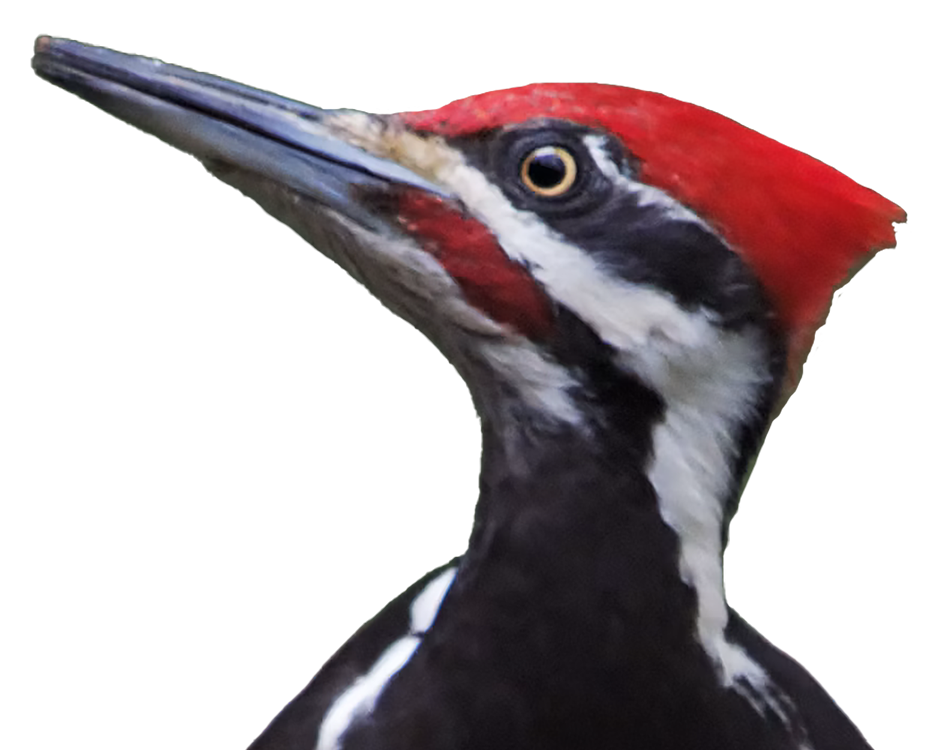
PILEATED WOODPECKER

Dryocopus pileatus

A KEYSTONE SPECIES is one which provides habitat or food for other species, often underpinning a full ecosystem. By excavating holes in old trees, these insect eaters provide homes for mammals and birds. 

Invasive Holly and Broom bushes replace trees that woodpeckers can use. Join the conservancy and help us weed them out.

The uplifted head of a pileated woodpecker with bright red mohawk.